The Art of Simplicity: Mastering Abstract Floral Wreath Line Art for Modern Design
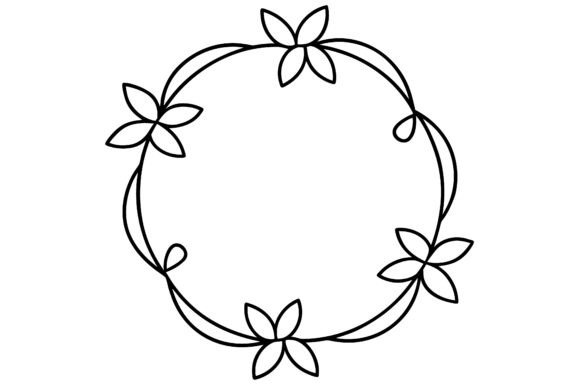
In the rapidly evolving landscape of visual communication, there is a distinct shift away from heavy ornamentation toward clarity and elegance. At the forefront of this movement is Abstract Floral Wreath Line Art. This design style has transcended its origins as a mere decorative element to become a cornerstone of modern branding, digital interfaces, and creative assets. By stripping away unnecessary details and focusing on smooth outlines and abstract shapes, designers can create powerful visual identities that resonate with contemporary audiences.
Whether you are a seasoned graphic designer looking to refresh your portfolio or a business owner seeking a clean logo, understanding the nuances of this minimal vector illustration is essential. This article explores the purpose, significance, and practical application of line art wreaths, guiding you through how to leverage this versatile asset in your own projects.
Defining the Aesthetic: What is Abstract Floral Line Art?
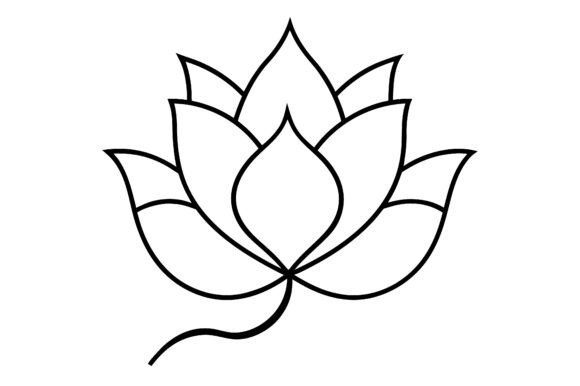
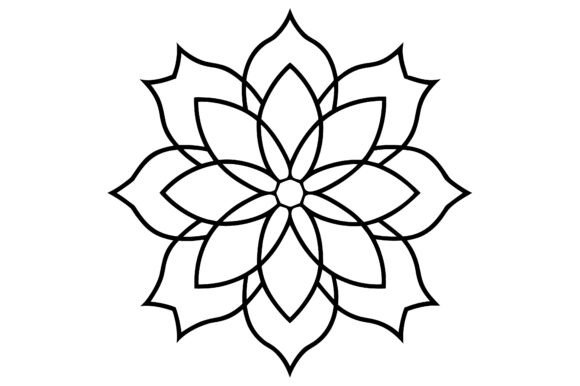
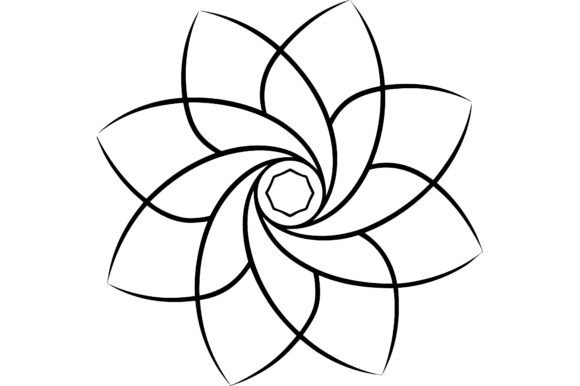
To appreciate the power of this design style, one must first understand its fundamental components. Unlike traditional botanical illustrations that strive for photorealism, abstract floral line art prioritizes the essence of the subject over literal representation. It utilizes continuous lines, geometric interpretations of nature, and negative space to form recognizable yet stylized shapes.
The "wreath" aspect introduces a circular composition, symbolizing unity, eternity, and wholeness. When combined with the "line art" technique, the result is a silhouette design that is both organic and structured. The key characteristics include:
- Smooth Outlines: The use of consistent stroke weights creates a sense of flow and rhythm.
- Minimal Vector Illustration: Being vector-based, these designs are scalable without losing quality, making them perfect for everything from tiny app icons to massive billboards.
- Professional Flat Design Style: Avoiding gradients, shadows, and textures, flat design ensures the image remains legible across various digital platforms.
This approach allows the viewer's imagination to fill in the gaps, creating a more engaging and personal connection with the artwork. It is not just about drawing flowers; it is about capturing the spirit of nature through the lens of modern minimalism.
The Strategic Value in Branding and Identity
Why have so many businesses adopted this specific aesthetic? The answer lies in the psychology of perception and the demands of the digital age. In a world saturated with information, brands need to communicate their values instantly. A clean and modern line art icon serves as a beacon of clarity.
Building Trust Through Simplicity
A professional flat design style often conveys reliability, sophistication, and efficiency. For startups and established corporations alike, an abstract floral wreath logo suggests a brand that is grounded yet innovative. It bridges the gap between the warmth of nature and the precision of technology. This duality makes it particularly effective for industries such as wellness, eco-friendly products, boutique fashion, and even tech companies aiming to humanize their interface.
Versatility Across Media
One of the greatest advantages of this design style is its adaptability. Because it relies on strong silhouettes rather than intricate shading, it performs exceptionally well in monochrome formats. Consider the following scenarios where this versatility shines:
- Social Media Avatars: The circular shape of a wreath fits perfectly within profile picture frames, ensuring no part of the design is cropped out.
- Favicon and App Icons: Minimal line work remains distinct even at very small sizes, which is crucial for browser tabs and mobile home screens.
- Merchandise and Packaging: Whether printed on a tote bag, a coffee cup, or a product label, the clean lines ensure high-quality reproduction without the risk of ink smudging or color misalignment.
By choosing a design that works universally, brands save time and resources while maintaining a cohesive visual identity across all touchpoints.
Enhancing User Experience (UX) and Web Design
Beyond branding, abstract floral line art plays a pivotal role in User Interface (UI) and User Experience (UX) design. In web design, every pixel counts. Heavy graphics can slow down load times and distract users from the primary content. Conversely, decorative symbols created with minimal vector illustrations add visual interest without compromising performance.
Guiding the Eye and Reducing Cognitive Load
Designers often use these elements as section dividers, background accents, or loading animations. An elegant wreath can frame a testimonial or highlight a call-to-action button, subtly guiding the user's eye through the page. Because the shapes are familiar (floral motifs) but presented in an abstract way, they provide a moment of visual rest rather than confusion.
Furthermore, the "clean" nature of line art aligns perfectly with the principles of accessible design. High contrast between the line and the background ensures readability for users with visual impairments. This inclusivity is a critical component of modern web standards, making line art not just a stylistic choice, but an ethical one.
Practical Applications in Creative Projects
The utility of abstract floral wreath line art extends far beyond corporate logos. It is a staple in the toolkit of any creative professional. Here are some practical ways to integrate this asset into your daily workflow:
- Digital Stationery: Use these designs for email signatures, invoice headers, and presentation templates to add a touch of class to administrative tasks.
- Social Media Graphics: Create quote cards, promotional posts, and story highlights using the wreath as a central motif. The flat design style ensures the text remains legible against the graphic.
- Print Materials: From wedding invitations to business cards, the elegance of line art elevates print materials, giving them a bespoke, high-end feel.
- Interior Decor: Digital files can be converted into wall art prints or laser-cut wooden decorations, bringing the aesthetic into physical spaces.
For educators and content creators, these visuals serve as excellent metaphors for growth, cycles, and community, adding depth to presentations and educational materials.
Common Misconceptions About Minimalist Design
Despite its popularity, there are several misunderstandings surrounding line art and minimalist design that can hinder its effective use.
Misconception 1: "Simple Means Easy"
Many assume that because a design looks simple, it requires little skill to create. In reality, achieving a balanced abstract floral wreath requires a deep understanding of composition, spacing, and line weight. Removing elements reveals the skeleton of the design; if the structure is weak, the final result will look unfinished rather than intentional. True minimalism is the result of rigorous editing, not a lack of effort.
Misconception 2: "It Lacks Personality"
Some believe that removing color and texture strips a brand of its character. However, the opposite is often true. A well-crafted line art icon allows the brand's voice and messaging to take center stage. The design acts as a neutral canvas that can be adapted with different colors and typography to reflect seasonal changes or campaign themes without needing a complete redesign.
Misconception 3: "It Is Only for Feminine Brands"
While floral motifs are historically associated with femininity, the abstraction and geometric interpretation of line art make it gender-neutral. When executed with bold lines and sharp angles, an abstract wreath can convey strength and stability, suitable for male-dominated industries like finance, construction, or automotive sectors.
Integrating Line Art into Your Workflow
For those looking to incorporate these elements into their projects, the process begins with selecting high-quality vector assets. Look for files that offer editable paths, allowing you to customize the stroke width or modify individual leaves to suit your specific needs. Most modern design software supports SVG formats, which are ideal for web integration.
When implementing these designs, remember the rule of balance. Do not overcrowd your layout. Let the abstract shapes breathe by utilizing ample white space. This negative space is just as important as the lines themselves, contributing to the overall feeling of calm and professionalism.
Conclusion: Embracing the Future of Visual Design
Abstract floral wreath line art represents more than just a trend; it signifies a maturity in visual culture where function meets beauty. Its ability to bridge the gap between organic forms and digital precision makes it an indispensable tool for modern creatives. By adopting this clean, modern line art icon silhouette design, you are not only enhancing the aesthetic appeal of your projects but also ensuring their longevity and relevance in a fast-paced digital world.
As we move forward, the demand for clear, adaptable, and elegant visual assets will only grow. Whether you are building a new brand, designing a website, or creating educational content, embracing the simplicity of line art can add an elegant and contemporary touch to any creative work. Start exploring these versatile assets today, and discover how a few smooth lines can tell a powerful story.