Abstract Mandala Style Line Drawing: A Modern Design Solution
In the rapidly evolving landscape of digital aesthetics, clarity and elegance have become the new standards for effective visual communication. Among the most versatile tools available to designers today is the Abstract Mandala Style Line Drawing. This design approach merges the timeless symmetry of traditional mandalas with the sleek, uncluttered precision of modern line art. Unlike complex, heavily shaded illustrations, this style relies on smooth outlines and abstract shapes to create a professional flat design that resonates with contemporary audiences. Whether you are building a brand identity, refining a user interface, or creating decorative assets, understanding how to leverage this specific aesthetic can transform your creative output.
The Essence of Abstract Mandala Line Art
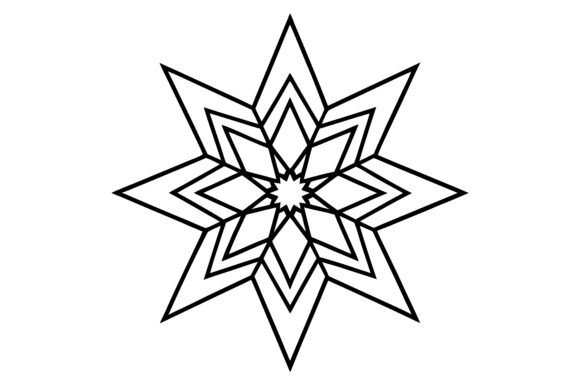
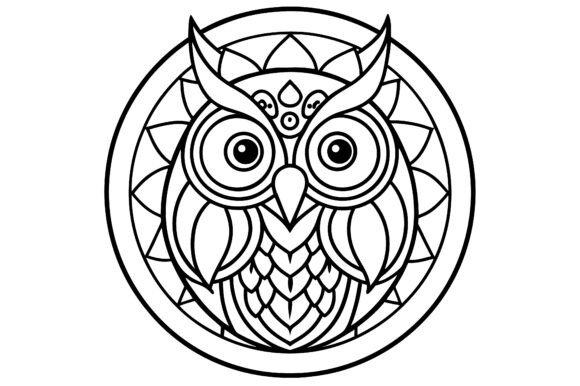
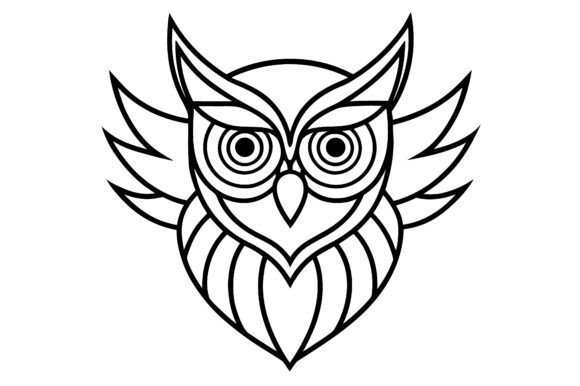
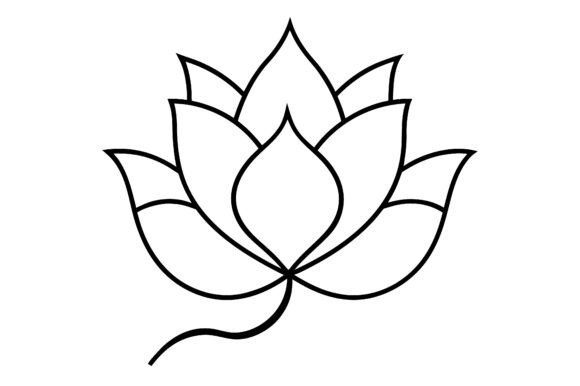
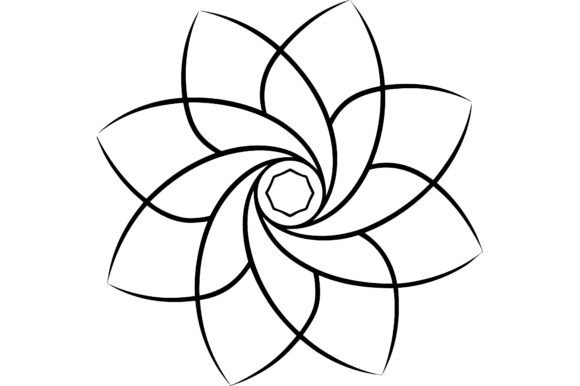
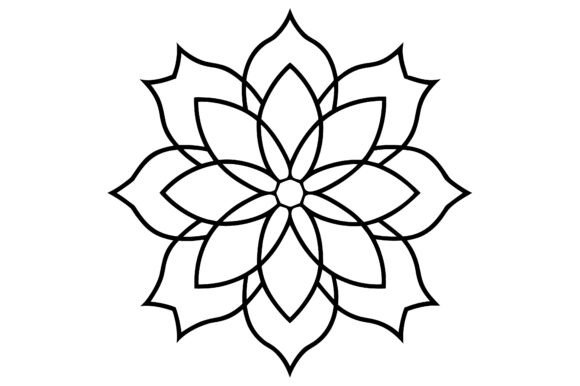
An Abstract Mandala Style Line Drawing is more than just a geometric pattern; it is a structured yet fluid visual language. At its core, it takes the radial symmetry and spiritual grounding of the traditional mandala but strips away the ornate details and heavy coloring. What remains is a clean, modern line art icon silhouette design defined by continuous strokes and negative space. The result is a vector illustration that feels both organic and engineered, offering a sense of balance without overwhelming the viewer.
This minimal vector illustration features smooth outlines that guide the eye naturally through the composition. By focusing on the essential lines rather than fills or gradients, the design achieves a level of sophistication that is particularly effective in digital environments where screen real estate is at a premium. It represents a shift towards "less is more," where every curve serves a purpose and every intersection adds to the overall harmony of the piece.
Addressing Common Design Challenges
Designers and business owners often face significant hurdles when trying to establish a distinct visual identity. One common challenge is the struggle between complexity and scalability. Many intricate designs look beautiful on a large billboard but disintegrate into an unreadable blob when shrunk down for a mobile app icon or a social media avatar. Another frequent issue is the need for versatility; a logo or graphic asset must work across various backgrounds, from dark mode interfaces to light print materials, without losing its impact.
Furthermore, there is the pressure to appear modern while retaining a sense of depth and meaning. Generic clip art often feels dated or impersonal, failing to convey the unique values of a brand. In these situations, the Abstract Mandala Style Line Drawing offers a compelling solution. Its inherent simplicity ensures that it remains legible at any size, solving the scalability problem. The use of clean lines means it adapts effortlessly to different color schemes and background contexts, addressing the versatility requirement.
How This Style Enhances Branding and Digital Projects
Implementing an Abstract Mandala Style Line Drawing into your creative workflow can yield immediate improvements in perceived professionalism and brand cohesion. Because the style is rooted in symmetry and balance, it subconsciously communicates stability and reliability—traits that are highly desirable for corporate branding, wellness apps, and lifestyle products. The abstract nature of the shapes allows for open interpretation, inviting the audience to engage with the design on a personal level.
For digital projects, this style is particularly advantageous. The flat design aesthetic aligns perfectly with current UI/UX trends, which favor lightweight graphics that load quickly and render sharply on high-resolution displays. When used as a logo, the continuous line work creates a memorable mark that stands out in a crowded marketplace. As a decorative element, it adds texture and interest without competing with text or primary content. The elegant and contemporary touch it provides elevates the entire user experience, making digital interactions feel more polished and intentional.
Practical Applications Across Industries
The utility of this design style extends far beyond simple decoration. Here are several practical applications where an Abstract Mandala Style Line Drawing excels:
- Logo Design: Startups and established brands alike can use these silhouettes to create logos that are scalable and iconic. The circular, balanced nature of mandalas works exceptionally well for tech companies, consulting firms, and wellness centers.
- UI/UX Elements: User interfaces benefit greatly from these icons. Loading spinners, settings menus, and navigation hubs can be designed using abstract mandala motifs to provide visual cues that are intuitive and aesthetically pleasing.
- Web Design Accents: Use these line drawings as section dividers, background watermarks, or hero image overlays. They add a layer of sophistication to landing pages without cluttering the layout.
- Print and Merchandise: From business cards to t-shirts, the clean lines translate beautifully to physical media. The minimal ink usage makes them cost-effective for printing while maintaining a high-end look.
- Social Media Assets: Profile pictures and story frames created with this style ensure consistency across platforms, reinforcing brand recognition in a visually dense environment.
Tailoring the Approach for Different Users
Different users will approach the implementation of Abstract Mandala Style Line Drawing based on their specific goals and technical expertise. For the graphic designer, the focus may be on customizing the vector paths to create a unique signature style. They might experiment with varying line weights or combining multiple mandala structures to form complex, layered compositions that still adhere to the flat design philosophy.
For the business owner or entrepreneur, the priority is likely finding a ready-to-use asset that communicates their brand values immediately. They may look for pre-made templates or hire a freelancer to adapt a standard mandala line drawing to fit their color palette and industry niche. The goal here is efficiency and impact, ensuring the chosen graphic supports marketing objectives without requiring extensive customization.
Developers and product managers might view these assets through the lens of functionality. They need SVG files that are optimized for performance, ensuring that the decorative symbols do not slow down page load times. For them, the value lies in the seamless integration of the Abstract Mandala Style Line Drawing into codebases, allowing for dynamic resizing and color manipulation via CSS.
Recommendations for Implementation
To get the most out of this design style, consider the following recommendations:
- Maintain Consistency: If you choose this style for your brand, apply it consistently across all touchpoints. Mixing heavy, textured illustrations with thin line art can create visual dissonance.
- Respect Negative Space: The power of line art lies in what is not drawn. Ensure there is sufficient breathing room around your mandala elements to prevent them from feeling cramped.
- Optimize for Color: While black and white is classic, don't be afraid to introduce subtle gradients or brand-specific colors. However, keep the fill transparent to maintain the flat design aesthetic.
- Test Scalability: Before finalizing any asset, test it at various sizes. A good Abstract Mandala Style Line Drawing should remain recognizable even when reduced to 16x16 pixels.
Conclusion
The Abstract Mandala Style Line Drawing represents a convergence of artistic tradition and modern digital necessity. It offers a robust solution for those seeking to enhance their branding, streamline their web design, or simply add an elegant touch to their creative assets. By prioritizing smooth outlines, abstract shapes, and a professional flat design, this style addresses the critical needs of scalability, versatility, and visual clarity. Whether you are a seasoned designer looking for a fresh perspective or a business leader aiming to refine your visual identity, incorporating these clean and modern line art icon silhouettes can lead to meaningful improvements in how your work is perceived and experienced.